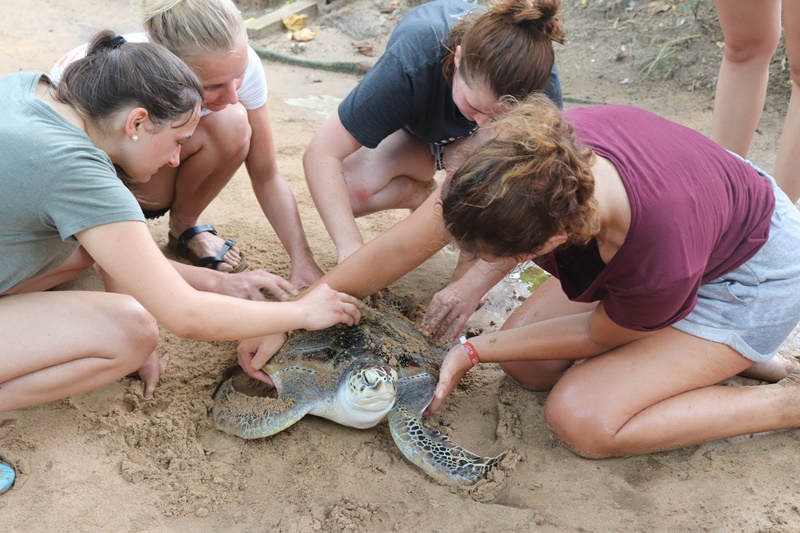
Turtle Conservation & Marine Protection Volunteer Program
Contribute to turtle care, beach clean-ups and marine protection activities around Galle.
- Location
- Rumassala and Galle, Sri Lanka
- Minimum age
- 17+
- Availability
- Year-round
- Program fee
- $180 per week
- Volunteer days
- Monday–Friday
- Placement hours
- 8:00 AM–11:00 AM
Work with a sea turtle conservation project in the Galle area and take part in practical morning activities connected with turtle care, nesting areas and cleaner coastal habitats.
The program is available year-round for volunteers aged 17 and above. Regular hours are 8:00 AM to 11:00 AM, Monday to Friday. The program fee is $180 per week.
What does the turtle conservation program involve?
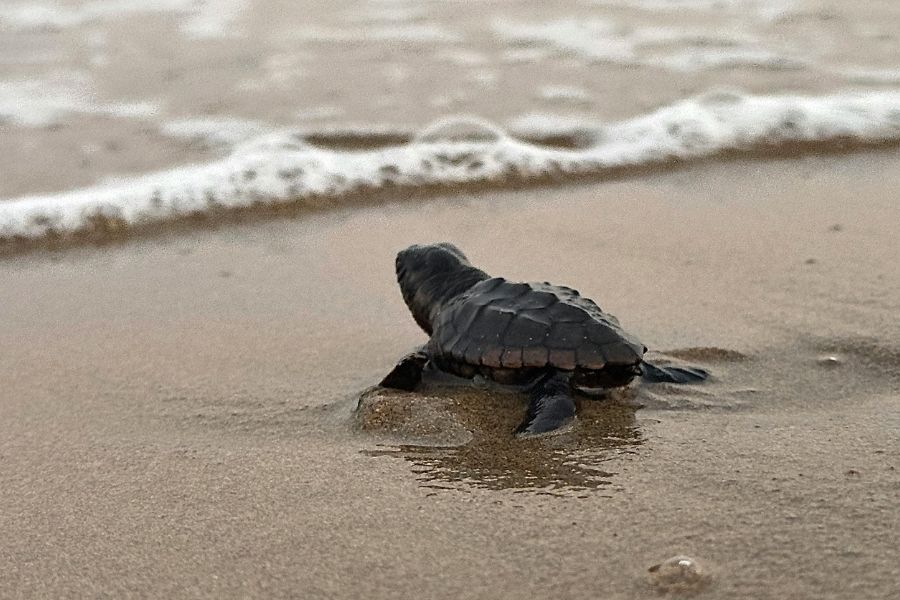
The program describes three connected areas of work: support at a turtle conservation sanctuary, beach clean-ups and hatchery or hatchling release activities.
The exact work available during your stay depends on current conservation needs and natural conditions. Nesting, hatching and releases are biological events, so volunteers should not expect every activity to happen on demand.
Turtle care and rehabilitation
At the conservation project, volunteers may help with day-to-day care for rescued or injured sea turtles.
Tasks can include preparing food, feeding turtles, cleaning tanks, maintaining the project site and helping staff monitor turtles.
Medical treatment and medication are also mentioned in the original placement material. These tasks should only be carried out under project supervision and within any qualification requirements set by the conservation team.
Nesting areas and hatchery work
Volunteers may help maintain nesting areas, monitor hatchery conditions and support work connected with eggs or hatchlings.
The project material also mentions relocation of eggs from unsafe areas and hatchling releases. These activities should follow the conservation project’s procedures. Volunteers should not handle eggs, nests or hatchlings independently.
Beach clean-ups and marine protection
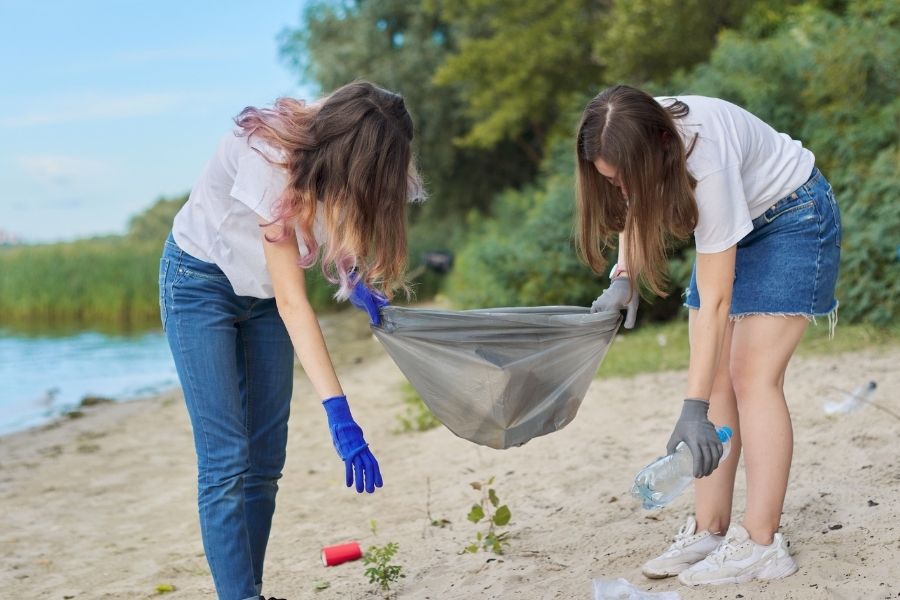
Beach clean-ups are another part of the program.
Removing litter and debris can improve the condition of coastal areas used by turtles and other wildlife. Volunteers may take part in organised clean-ups near the project or surrounding beaches.
This gives the placement a wider marine protection component beyond direct turtle care.
Awareness activities
Volunteers may also help prepare educational materials and support conservation awareness campaigns.
Depending on current project needs, volunteers may help prepare simple awareness content or support activities that explain turtle conservation to visitors or local communities.
What can I do as a volunteer?
Program tasks may include:
- preparing turtle food
- feeding turtles
- cleaning turtle tanks
- maintaining the project site
- helping maintain nesting areas
- joining beach clean-ups
- monitoring hatchery activity under supervision
- supporting hatchling releases when scheduled
- assisting with awareness materials
- helping staff with turtle identification or observation
Available tasks vary with the project and season.
What should I expect from wildlife volunteering?
Wildlife work follows the needs of the animals and project, not a tourist timetable.
There may be mornings with repetitive cleaning or maintenance rather than direct interaction with turtles. Hatchlings may not be ready for release during your stay. Conservation work often includes routine tasks because those tasks keep the project functioning.
That is a more realistic expectation than treating every day as a wildlife encounter.
Accommodation and daily life in Galle
Volunteers stay at the Volunteer House at No. 24, Buonavista, Rumassala, Galle 80600. Each volunteer has a single air-conditioned room, and free Wi-Fi is available at the house.
The accommodation is around a five-minute tuk-tuk ride from Galle City. Breakfast and dinner are prepared daily. Meals are mainly Sri Lankan, with some Western dishes included in the weekly menu. Sri Lankan food can be spicier than some visitors are used to and may include seafood and meat. Vegetarian meals are available on request.
Western food and other dining options are easy to find in the Unawatuna area.
The daily routine at the Volunteer House starts with breakfast, with meditation included as part of the morning routine for volunteers who wish to take part.
Free time around Galle and Unawatuna
Regular volunteer hours finish in the morning, so afternoons are generally available for rest, local travel or personal plans. Weekends fall outside the usual Monday to Friday placement schedule.
Possible activities around the south coast include visiting Galle Fort, spending time at Unawatuna Beach, snorkelling or diving around Unawatuna, visiting Jungle Beach, travelling toward Mirissa, swimming at the Talpe Rock Pools, visiting Koggala Lake and exploring Kanneliya Rainforest.
Travel activities, entrance fees, tours and transport are separate unless they are specifically included in your confirmed arrangement.
Airport pickup
Airport pickup is provided for volunteers who commit to four weeks or more. If you plan a shorter stay, confirm your arrival transport before travelling so you know how you will get from the airport to Galle.
How to apply
- Choose this volunteer program.
- Select your preferred dates and planned length of stay.
- Complete the volunteer application.
- Wait for confirmation of your placement and stay arrangements.
- Prepare for your trip to Sri Lanka.
- Arrive in Galle and begin your placement.
Because placements depend on local arrangements, submit your preferred dates before making assumptions about availability for a particular week.
Frequently asked questions
How much does the turtle conservation program cost?
The program fee is $180 per week.
Where is the project?
The program is based in the Rumassala and Galle area of southern Sri Lanka.
What will I do?
Possible tasks include turtle feeding, tank cleaning, site maintenance, nesting-area support, beach clean-ups, hatchery support, awareness activities and supervised hatchling releases when they are taking place.
Will I release baby turtles?
Hatchling release is listed as a possible activity, but wildlife events cannot be guaranteed for every volunteer or every week.
Can I help treat injured turtles?
Medical support or medication tasks, if available, should only be carried out under project supervision and according to the placement’s qualification rules.
What is the minimum age?
The minimum age is 17.
What are the volunteer hours?
Regular hours are 8:00 AM to 11:00 AM, Monday to Friday.
Is accommodation included?
Yes. Accommodation, breakfast, dinner and Wi-Fi are included.
Apply for the Turtle Conservation & Marine Protection Program
Send your preferred dates and intended length of stay. Current project activities and placement arrangements can then be confirmed before your arrival.
Your stay and arrival
Volunteer House · Single air-conditioned room. No. 24, Buonavista, Rumassala, Galle 80600
Wi-Fi · Breakfast · Dinner · Vegetarian option on request
Airport pickup is included from 4 weeks.